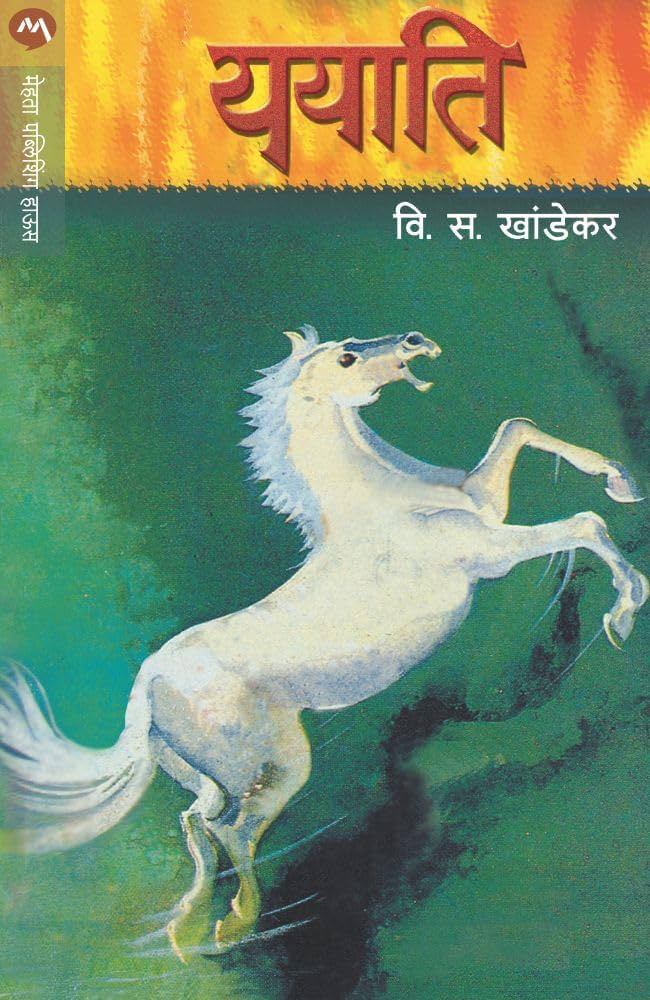
- Number Of Pages: 416
- Genre Of Book: Historical Fiction / Biography
- Literature: Marathi Literature
- Published On: 1967
- Awards: Sahitya Akademi Award (1974) for Marathi Literature
“स्वातंत्र्य हवं असेल, तर जबाबदारी स्वीकारावी लागते.” (If one desires freedom, one must accept responsibility.)
“त्याग हा मोठेपणाचा नव्हे, तर आत्मजागृतीचा परिणाम असतो.”(Sacrifice is not a sign of greatness, but of inner awakening.)
“तरुणपण शरीरात असतं, पण शहाणपण अनुभवातून येतं.”(Youth resides in the body, but wisdom comes through experience.)
“वासनेचा मार्ग क्षणिक सुख देतो, पण दीर्घ दुःख देऊन जातो.”(The path of desire offers momentary pleasure but leaves lasting sorrow.)
“स्वतःला ओळखणं हाच खरा मोक्ष आहे.”(True liberation lies in knowing oneself.)
“वेळ कुणासाठी थांबत नाही; पण ती सत्य उघड करते.”(Time waits for no one, but it reveals the truth.)
“चुकीचं माहित असूनही जे केलं जातं, तीच खरी शिक्षा असते.”(Doing something wrong while knowing it is wrong,that itself is the punishment.)
This is another Marathi novel that I had intended to read for a long time. When I finally picked it up, I realised that it was not just about touching the book once,it was about struggling to put it down. I finished all 416 pages in just two days, such is the power of the great writing.King Yayati dwelled in my mind long after I closed the book.
The Book’s Structure:
The book is divided into three parts, each offering the perspective of the main characters. However, as the title suggests, Yayati remains the central figure throughout the narrative.
Main Characters
1. Yayati: King of Hastinapur from the Chandravansha dynasty, son of King Nahusha and Queen Viraja. He was the 7th ancestor of the Pandavas and the father of famous King Puru.
2. Devyani: Yayati’s wife, Queen of Hastinapur, and the only daughter of Sage Shukracharya, the master of Sanjivani Vidya and guru of the Asuras.
3. Sharmishtha: Daughter of Vrishaparva, the King of the Asuras. A close friend of Devyani, she later becomes her handmaid and the mother of King Puru. Her life is marked by sacrifice and silent suffering.
The book begins with Yayati’s childhood and shows how strongly his life is influenced by his father, King Nahusha. As a child, Yayati is sensitive, emotional, and thoughtful. He tries to understand life and people from a very young age.
One very touching moment is when six-year-old Yayati learns that his mother did not breastfeed him. Instead, he was fed by a maid because his mother wanted to protect her beauty. This hurts him deeply and creates emotional pain that stays with him. Later, Yayati learns that his elder brother has left home and become a sage. This makes Yayati promise his mother that he will never leave worldly life. Ironically, this promise becomes one of the main reasons for his future downfall.
As Yayati grows older, his nature slowly changes. The sensitive boy turns into a man attracted to pleasure, desire, and sensual life. His path starts to resemble that of his father.
The story also explains the curse placed on Yayati’s family. King Nahusha, blinded by power and desire, once forced great sages to carry him in a palanquin so he could meet the apsara Indrani. In his arrogance, he kicked Sage Agastya and demanded speed. Because of this disrespect, Sage Agastya cursed him and his children, saying they would never find true happiness in life.
The author uses this curse to explain Yayati’s pain and behaviour. Even when Yayati makes selfish or unethical choices, the story makes the reader understand his weakness instead of hating him.
The female characters, Devyani and Sharmishtha, are written very well. Their emotions jealousy, pride, sacrifice, and devotion are shown clearly. Both women play important roles in shaping Yayati’s life and decisions.
Another important but less highlighted character is Sage Kacha, the son of Brihaspati. He is calm, ethical, and selfless. He understands the difference between right and wrong and often acts with patience and sacrifice. His character strongly contrasts with Yayati’s desire driven nature.
What makes the book special is that it does not give easy moral answers. While reading, you keep questioning whether Yayati is truly wrong or simply weak. The story makes you think about what is right and who decides it society, power, or conscience.
The storytelling keeps the reader engaged with emotional moments and turning points. Even till the end, it is difficult to hate Yayati. However, the moment he asks his son Puru to exchange youth for his old age changes everything. Puru’s selfless act instantly shows true greatness and highlights Yayati’s moral failure.
Final Thoughts
This book is a powerful exploration of desire, ambition, curse, karma, and human weakness. The credit for keeping the reader hooked throughout goes entirely to the writer’s brilliant storytelling.A deeply moving and unforgettable read.
Philosophical Takeaway
At its core, Yayati is not just a mythological tale ,it is a deep reflection on human desire and its consequences. The novel asks an uncomfortable but timeless question:
Can desire ever be fully satisfied, or does it only grow stronger when fed?
Through Yayati’s life, we see how unchecked ambition and sensual craving do not bring fulfillment, but instead lead to inner emptiness and suffering. The curse placed upon Yayati’s lineage serves as a reminder that our unresolved desires and ego are often inherited, not biologically, but karmically.
The book also explores the idea that youth, pleasure, and power are temporary, while the weight of one’s actions is enduring. Yayati’s struggle teaches us that running away from responsibility or borrowing happiness at the cost of others only delays self-realisation.
Characters like Devyani and Sharmishtha represent two contrasting human tendencies:
Entitlement and pride, and Sacrifice and silent endurance
Yet, neither path is portrayed as complete or ideal. The novel subtly suggests that true wisdom lies not in extremes, but in awareness and balance.
Ultimately, Yayati reminds us that freedom does not come from fulfilling every desire, but from understanding it. Growth begins when one accepts the limits of pleasure and turns inward ,not to escape life, but to live it consciously.
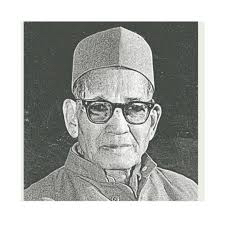
Vishnu Sakharam Khandekar (11 January 1898 – 2 September 1976) was a Marathiwriter from Maharashtra, India. He was the first Marathi author to win the prestigious Jnanpith Award.
Euphoric Reads – Inspiring Minds, One Story at a Time
Discover thoughtful book reviews, heartfelt reflections, and soul nourishing insights crafted to help you slow down, reconnect, and grow. Every read is designed to bring clarity, inspiration, and joy into your daily life.
From My Gallery


Your perspective matters! Please share it with me in the comments.