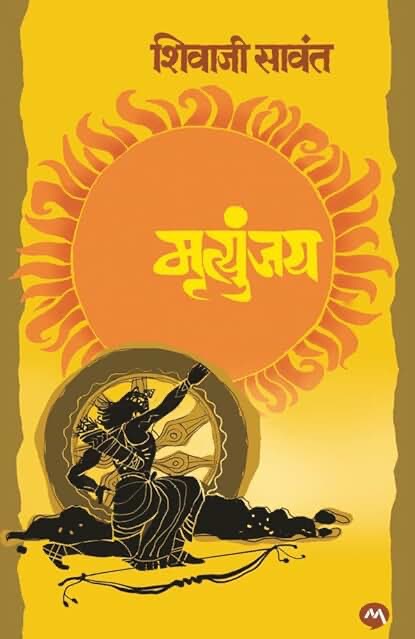
- Number Of Pages: 628 Pages
- Genre Of Book: Historical and Mythological Fictional
- Literature: Marathi Literature
- Published On: 5 March 2019
- Awards: Moortidvi Award(1994), Sahitya Akademi Award(Marathi), Jnanpith Nomination,State Literary Awards(Maharashtra)
“A warrior is not known by his victories but by the battles he chooses to fight.”
“Greatness lies not in achieving power or glory, but in rising above the injustices of life with dignity.”
“It’s not the circumstances in life that matter, but the stance we take in those circumstances.”
“Destiny’s game is harsh, but accepting it is wisdom.”
“It’s only when a person endures suffering that they realize the value of true happiness.”
There’s one book that holds a special place in my heart, one I’ve read at least three times, and each time, it leaves me in tears. If you’re familiar with Marathi literature and haven’t read ‘Mrityunjay’ by Shivaji Sawant, I must say you’re missing out on a true masterpiece.
For someone who grew up watching the Mahabharata on TV and listening to its tales, this book offers a fresh and closer perspective on Karna a character both tragic and heroic. It makes you fall in love with him over and over again.
Shivaji Sawant literally breathes life into Karna and the other characters of the Mahabharata with extraordinary depth. His lucid writing style immerses you in the epic world, making you feel every joy, sorrow, and struggle as though you were living it yourself.‘Mrityunjay’ isn’t just a book; it’s an emotional journey that reshapes how you view Karna and the Mahabharata. Truly, a work of art that leaves an incredible mark on the heart.
This book is divided in to 6 parts,each part having a key character voicing out their perspective on Karna’s life.
- Karna(Self narration): In this part, Karna speaks about his struggles and the battles he had to fight to find his true identity. It gives an insight about his ambitions, and the internal conflict between his sense of inherent greatness and the vulnerability that stems from those insecurities.
- Kunti( his mother): This part sheds a light on Kunti’s struggles and helplessness especially the guilt she is coming from after abandoning Karna as a child. Her rekindled love as a mother portrayed beautifully, the writer had added the emotional depth to each of the action and the scene. Kunti, as a mother, yearned to accept her abandoned child before her marriage, but each time, she was paralyzed by the fear of societal judgment, unsure of how it would affect Karna’s fate. These instances haunt the reader, forcing them to reconsider Karna’s destiny. The question keeps on wandering the reader’s mind,what if Kunti had found the courage to embrace her son? Would Karna’s life have been different, sparing him not only from the suffering of an unknown identity but also from the turmoil caused by his blood relations? This moral dilemma challenges readers to reflect on the powerful influence of societal expectations and the consequences of missed opportunities.
- Duryodhana(Karna’s freind): Duryodhana’s narration shows Karna as a symbol of loyalty and Freindship. The narrative also reveals Duryodhana’s dependence on Karna and based on that how he kept on making all the wrong decisions throughout his life. Though, the Friendship was both the sided, it still kept on showing the manipulation Duryodhana plays with Karna’s mind for his own benefits.Duryodhana constantly reminds Karna of the “debt” he owes for being elevated from a charioteer’s son to the king of Anga, ensuring Karna’s loyalty.He stokes Karna’s resentment towards Arjuna and the Pandavas, using it to further his vendetta.While Karna sacrifices his honor and life for Duryodhana, the latter primarily views their bond as a means to an end.Even when Karna faces moral dilemmas, Duryodhana’s manipulations keep him bound to a path of destruction.
- Vrishali(Karna’s wife): Narration of Vrishali provides glimpses of Karna’s personal and emotional life as a husband and family man. It unfolds their simple yet beautiful love story. It shows Karna’s tender side and his struggle of balancing life as a great warrior and family man.
- Krishna( Divine vision): if you have read through or watched Mahabharata then I think you are very well aware of Krishna’s psychological perspective and the guidance. His recognition of Karna’s nobility despite his alignment with Kaurava and at the end he was his cousin. So he always had brotherly inclination towards him.
- Shon(Karna’s younger brother): Shon’s narration is filled with admiration and affection for his elder brother. He portrays Karna as a protective and loving sibling who guided and supported him through life’s challenges.
Each character in Mrityunjay adds a new dimension to Karna’s life story. Together, these voices create a deeply empathetic and nuanced portrait of Karna, a man caught between fate and choice, honor and loyalty, love and rejection. This multi-perspective narrative structure is what makes Mrityunjay a masterpiece of Indian literature.
#booklover ❤️❤️
FAQs:
1. What is Mrutyunjay about?
Mrutyunjay is a Marathi literary masterpiece that narrates the life, struggles, and philosophy of Karna, one of the central characters of the Mahabharata, highlighting his dilemmas, loyalty, and sense of justice.
2. Who wrote Mrutyunjay?
The book is written by Shivaji Sawant, one of the most celebrated Marathi authors, known for his deep exploration of characters from Indian epics.
3. What makes this book a masterpiece?
The novel combines rich storytelling, emotional depth, and philosophical insight, offering a profound exploration of human values, dharma, and morality through Karna’s perspective.
4. What genre does the book belong to?
It is historical fiction, mythological fiction, and philosophical literature.
5. Is the book available in languages other than Marathi?
Yes, Mrutyunjay has been translated into several languages, including English, making it accessible to a wider audience.
6. Who are the main characters?
Karna is the protagonist, with significant roles for figures like Kunti, Duryodhana, and other Mahabharata characters.
7. Why is Mrutyunjay still relevant today?
It explores universal themes like identity, loyalty, morality, social justice, and human struggles, resonating across generations.
8. Is it suitable for all readers?
Yes, but readers unfamiliar with Mahabharata may benefit from basic context, as the novel heavily references epic events.
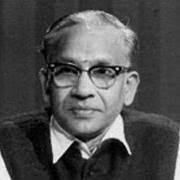
Shivaji Sawant (31 August 1940 – 18 September 2002) was an Indian novelist in the Marathi language. He is known as Mrutyunjaykaar (meaning Author of Mrutyunjay) for writing the famous Marathi novel – Mrutyunjay. He was the first Marathi writer to be awarded with the Moortidevi Award in 1994.
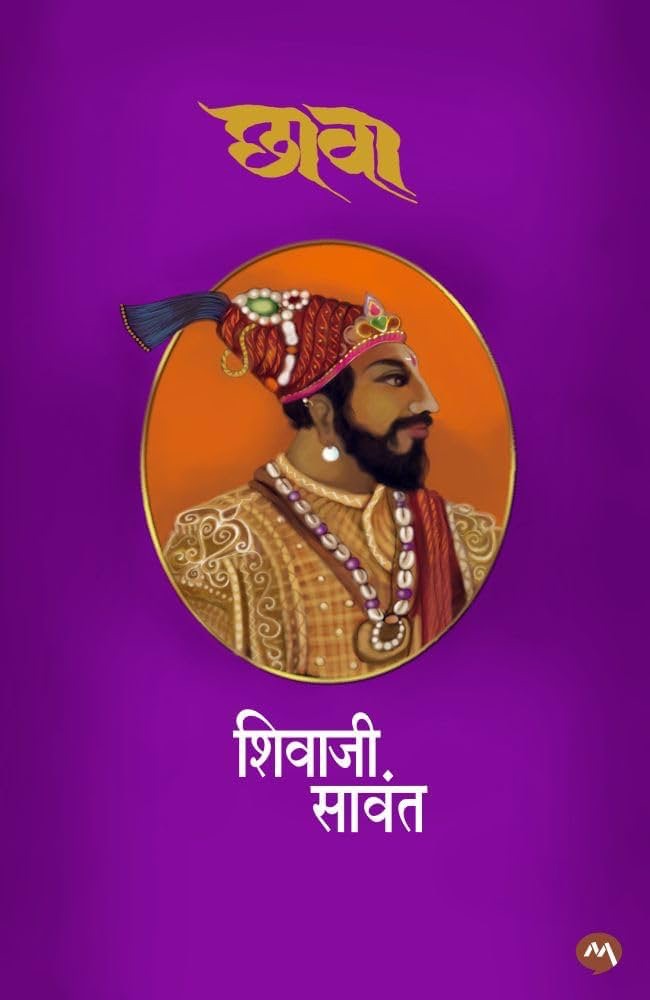
He wrote a book Mrutyunjay (English: Victory Over Death) based on Karna, one of the leading characters of the epic Mahabharat. This book was translated into Hindi (1974), English(1989), Kannada(1990), Gujarati (1991), Malayalam (1995) and received numerous awards and accolades. His novel Chhava, published in 1980, is based on the life of Chhatrapati Sambhaji.
From My Gallery
Other Books from Author


Your perspective matters! Please share it with me in the comments.